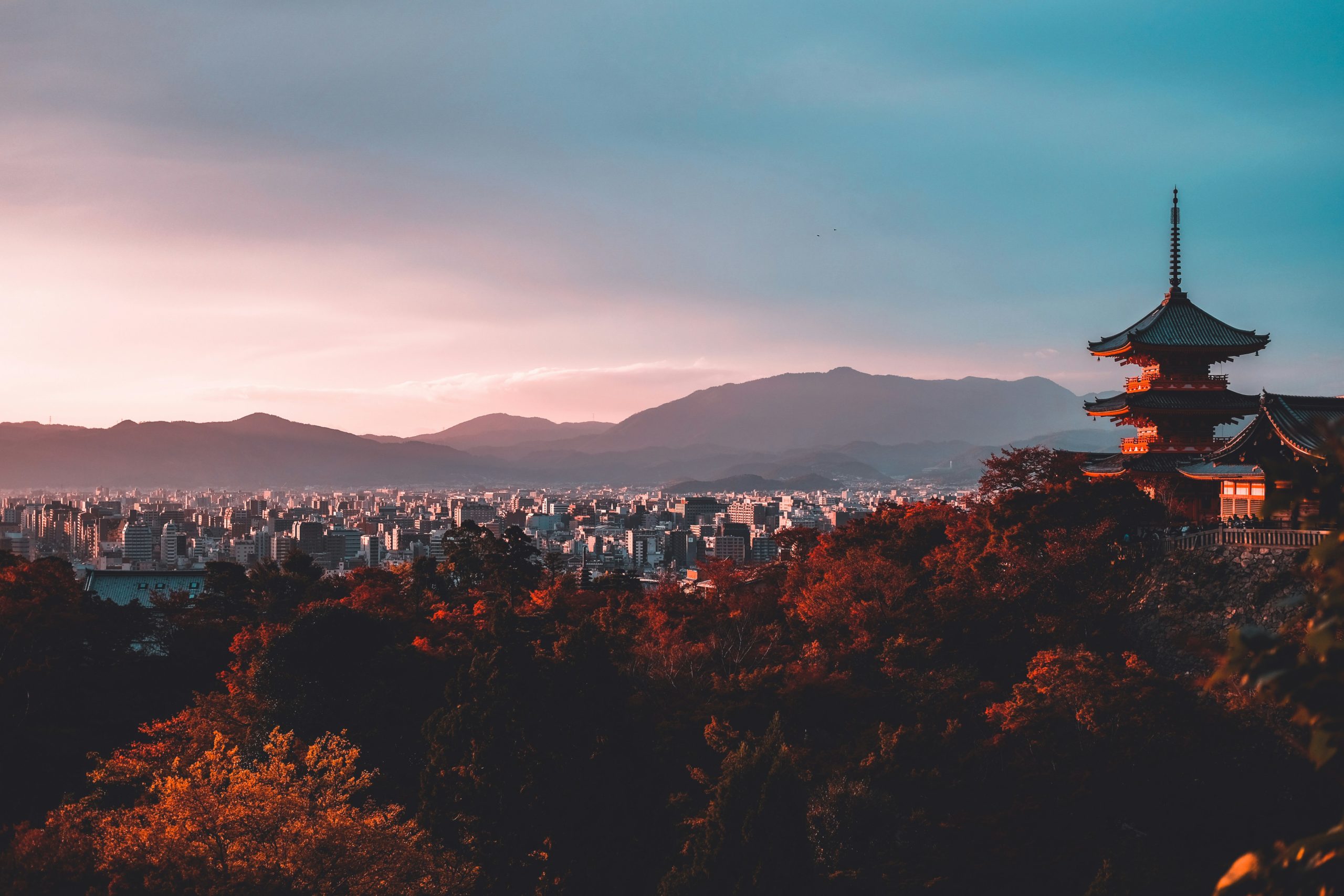

When most people think about Japan, they imagine sushi, Mount Fuji, or high-tech robots.
But the real charm of Japan lies not only in its famous landmarks or pop culture, but also in the small details of daily life.
Here are ten fascinating aspects of everyday living in Japan that make the country both unique and memorable for visitors.
1. Convenience Stores That Are More Than Convenient

Japanese konbini are legendary. Open 24/7, they offer freshly prepared meals, ATMs, printing services, package delivery, and even concert ticket sales.
You can walk in hungry at midnight and walk out with a balanced bento box, hot soup, and dessert for less than the cost of fast food elsewhere.
2. Seasonal Food Culture

Japan celebrates every season through flavors.
In spring, you’ll find cherry blossom–flavored lattes, cakes, and candies.
Summer brings refreshing cold noodles, shaved ice, and watermelon treats.
Autumn highlights chestnuts, mushrooms, and sweet potatoes, while winter warms the heart with hot pot (nabe) and citrus fruits like yuzu.
This seasonal rhythm makes everyday meals feel festive and special.
3. Polite and Quiet Public Transportation

Japanese trains are famously punctual, but what surprises many visitors is how quiet they are.
Phone calls are discouraged, and people often speak softly or not at all.
It’s common to see commuters reading books, scrolling their phones, or even napping—and somehow waking up exactly at their stop!
4. The Omnipresent Vending Machines

With over 4 million vending machines, Japan is the global champion.
They sell not only drinks, but also ice cream, umbrellas, hot soup in cans, and sometimes even fresh fruit.
During cold winters, grabbing a hot can of coffee from a vending machine can feel like holding a tiny portable heater.
5. The Culture of Small Gifts (Omiyage)

Gift-giving is deeply rooted in Japanese culture.
When people travel, they often bring back beautifully packaged local snacks for coworkers, friends, and family.
These souvenirs, called omiyage, are not just a nice gesture—they’re an unspoken social expectation that helps maintain harmony and appreciation in relationships.
6. Cleanliness Without Trash Cans

Visitors are often shocked by how clean Japan’s streets are, despite the lack of public trash bins.
This is partly due to the cultural value of mottainai (avoiding waste) and the habit of carrying one’s trash home.
It’s a system built on mutual trust and responsibility that keeps the cities impressively tidy.
7. High-Tech Toilets

Japanese toilets are an experience in themselves.
With heated seats, bidet functions, background music for privacy, and even automatic lids, they turn a daily necessity into a moment of comfort.
It’s no wonder travelers often say they miss Japanese toilets the most after leaving the country!
8. Seasonal Fashion and Uniformity

Japanese cities often feel like fashion runways, with people paying attention to seasonal styles.
At the same time, you’ll notice a certain harmony in how people dress—often elegant, neat, and practical.
This balance of individuality and group consciousness reflects a broader cultural trait in Japan.
9. The Culture of Silence and Respect

From bowing as a greeting to saying itadakimasu before meals, Japanese manners are subtle but deeply meaningful.
Respect for others—whether strangers on a train or coworkers in the office—shapes daily interactions.
This quiet politeness is one of the first things visitors notice and appreciate.
10. The Blend of Tradition and Modernity

Perhaps the most fascinating aspect of everyday life in Japan is how tradition and modernity coexist.
It’s common to see a centuries-old shrine standing next to a futuristic skyscraper, or people in kimono riding the subway alongside businessmen in suits.
This harmony between old and new gives Japan its unique identity.
✨ Conclusion
Everyday life in Japan is full of small cultural details that make the country both charming and unforgettable.
From vending machines on every corner to the seasonal obsession with food, Japan reminds us that beauty often lies in the little things.
If you plan to visit, take time to notice not just the landmarks, but also the rhythms of daily life—that’s where the true magic of Japan lives.


コメント